On the record · 2018 to 2021 · Lumenalta, formerly Clevertech
Railcar Management
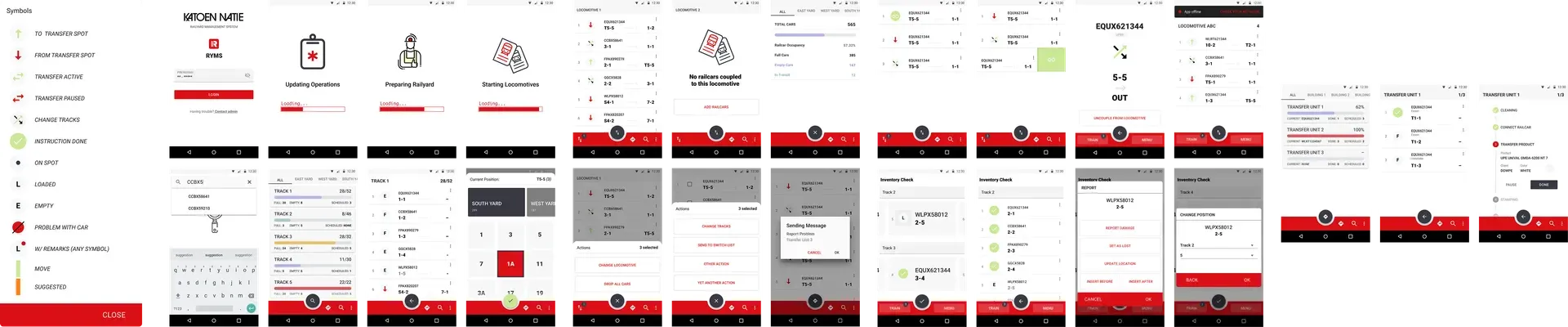
A petrochemical rail yard ran on paper. I stood in it across shifts, then designed the two apps that replaced the printout: one for gloved hands in the weather, one for the people scheduling them inside.
- When
- 2018 to 2021
- For
- Lumenalta, formerly Clevertech
- Role
- Lead UX/UI Designer
- Team
- PM, 5 engineers, 2 ML specialists, operations specialists
- Timeline
- 24 months
- Tools
- Figma, Excel, Material Design, Storybook.js
The brief
Katoen Natie is a Belgian logistics group that stores and processes petrochemicals. I led design on their railcar management system at Clevertech, now Lumenalta, from 2018 to 2019, with a PM, five engineers, two ML specialists, and their own operations people. The yard ran on paper: clipboards, radios, printed spreadsheets, and phone calls. My job was a mobile app for the people outside in the weather and a desktop system for the ones scheduling them, covering railcars, machinery, silos, and who is doing what next.
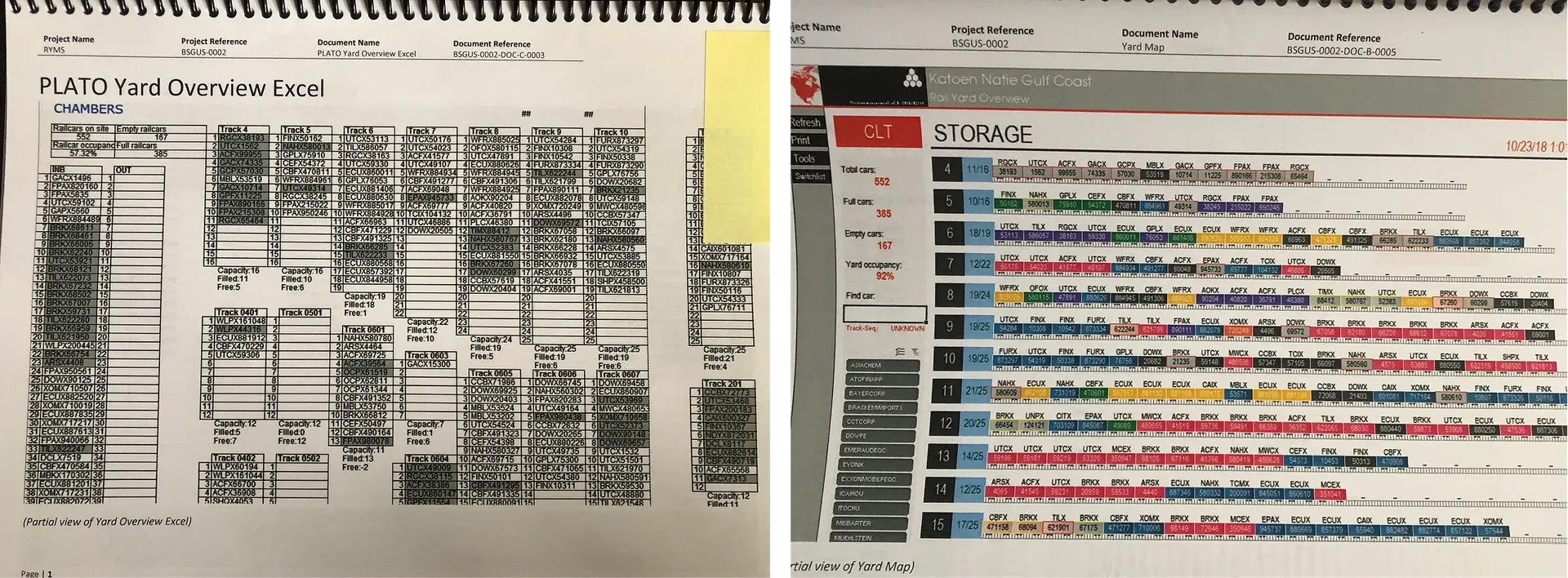
On paper
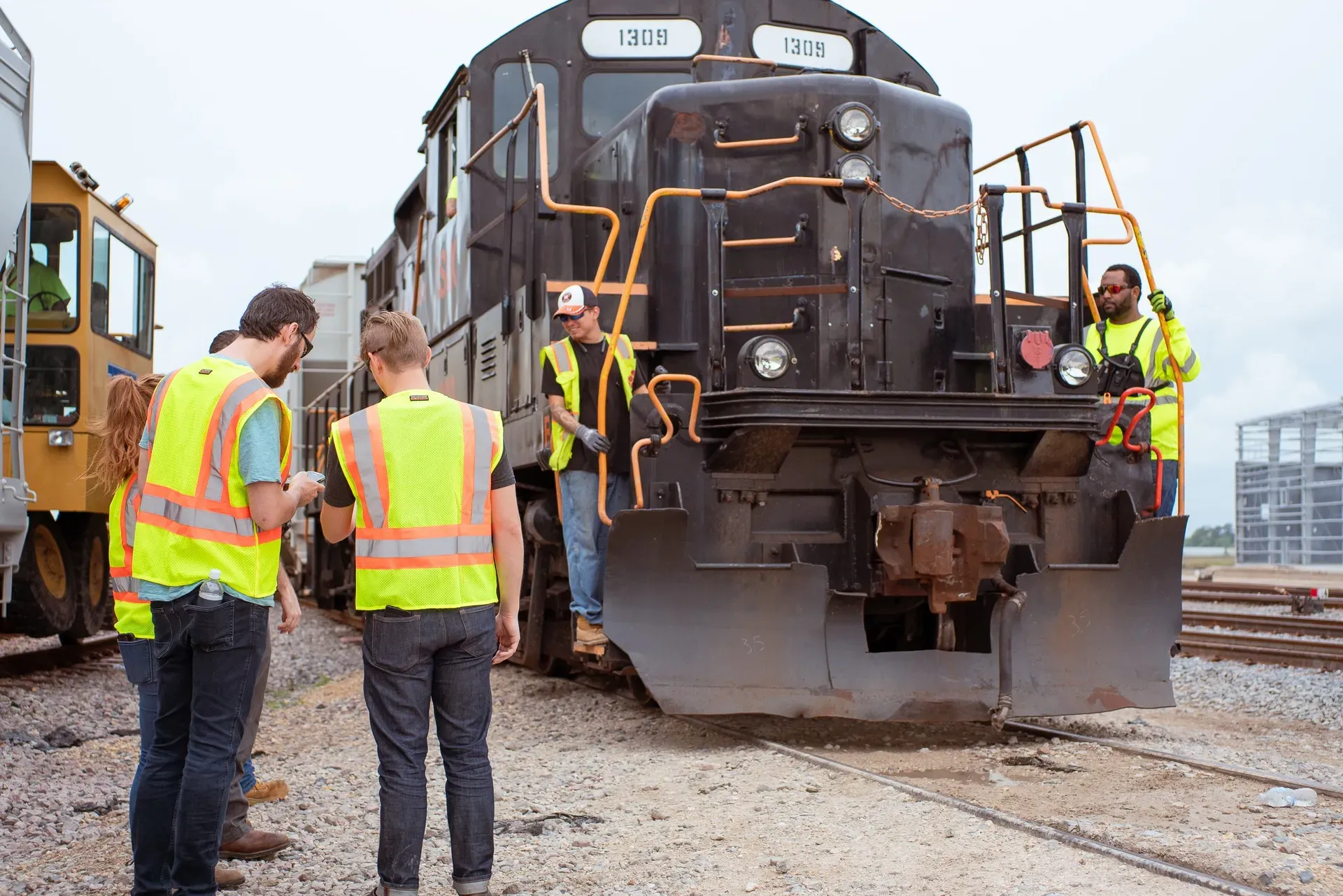
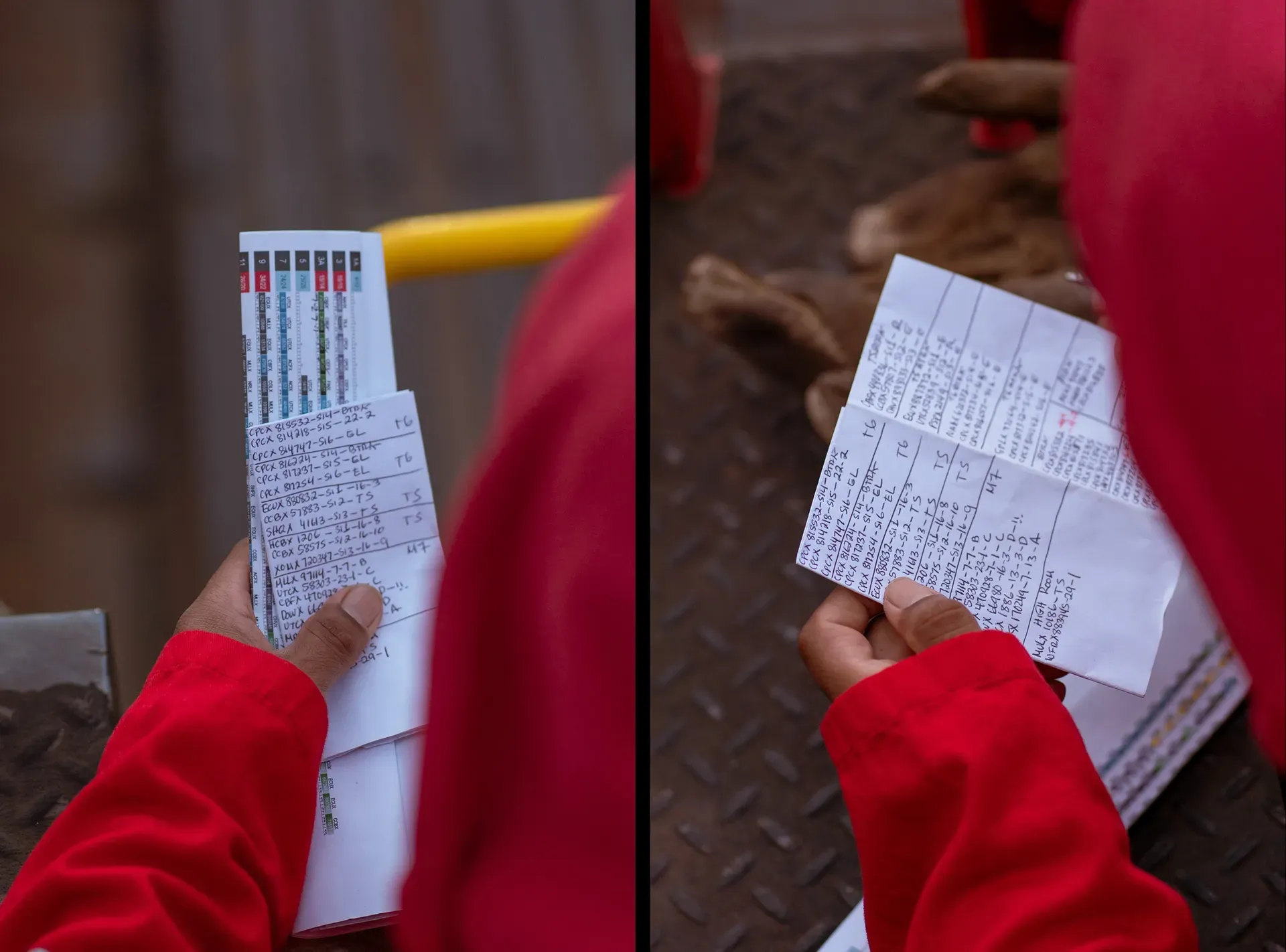
A railcar arrives full of petrochemical waste. It gets parked on a track, matched to a machine and a silo with room for it, emptied, cleaned, and sent back out. Multiply that by a yard full of tracks, running around the clock, across shifts of people who mostly do not overlap.
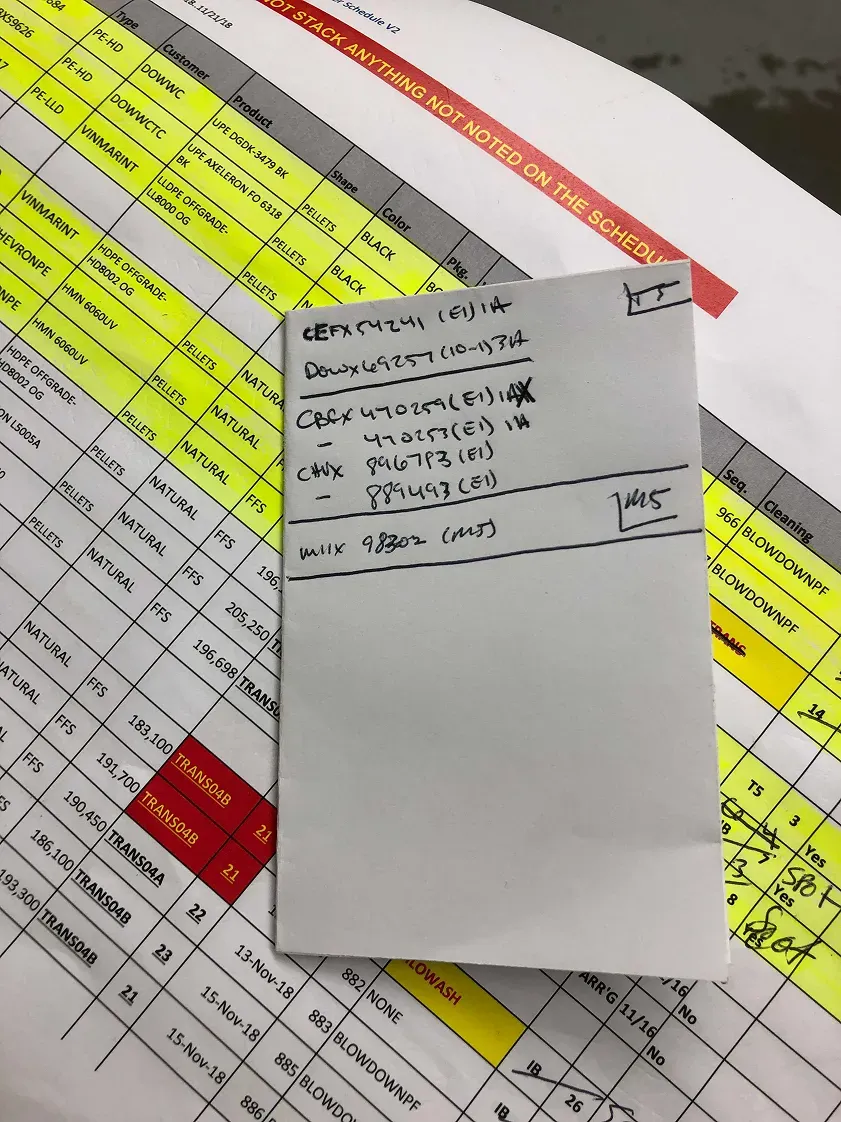
All of it was coordinated on paper. Operators outside carried clipboards and used radios. Managers inside worked from printed spreadsheets and made phone calls. The plan for the day was literally a printout, and by mid-morning it was fiction, because the yard had moved and the paper had not.
The expensive failure was the shift change. Everything one crew had learned in eight hours was passed on verbally or written on a sheet, and whatever fell through that gap became somebody else's surprise. With hazardous material and heavy equipment, surprises are not a productivity problem.
Nobody could tell you the state of the yard at any given moment, which also made the compliance paperwork a reconstruction after the fact rather than a record of what happened.
Standing in it
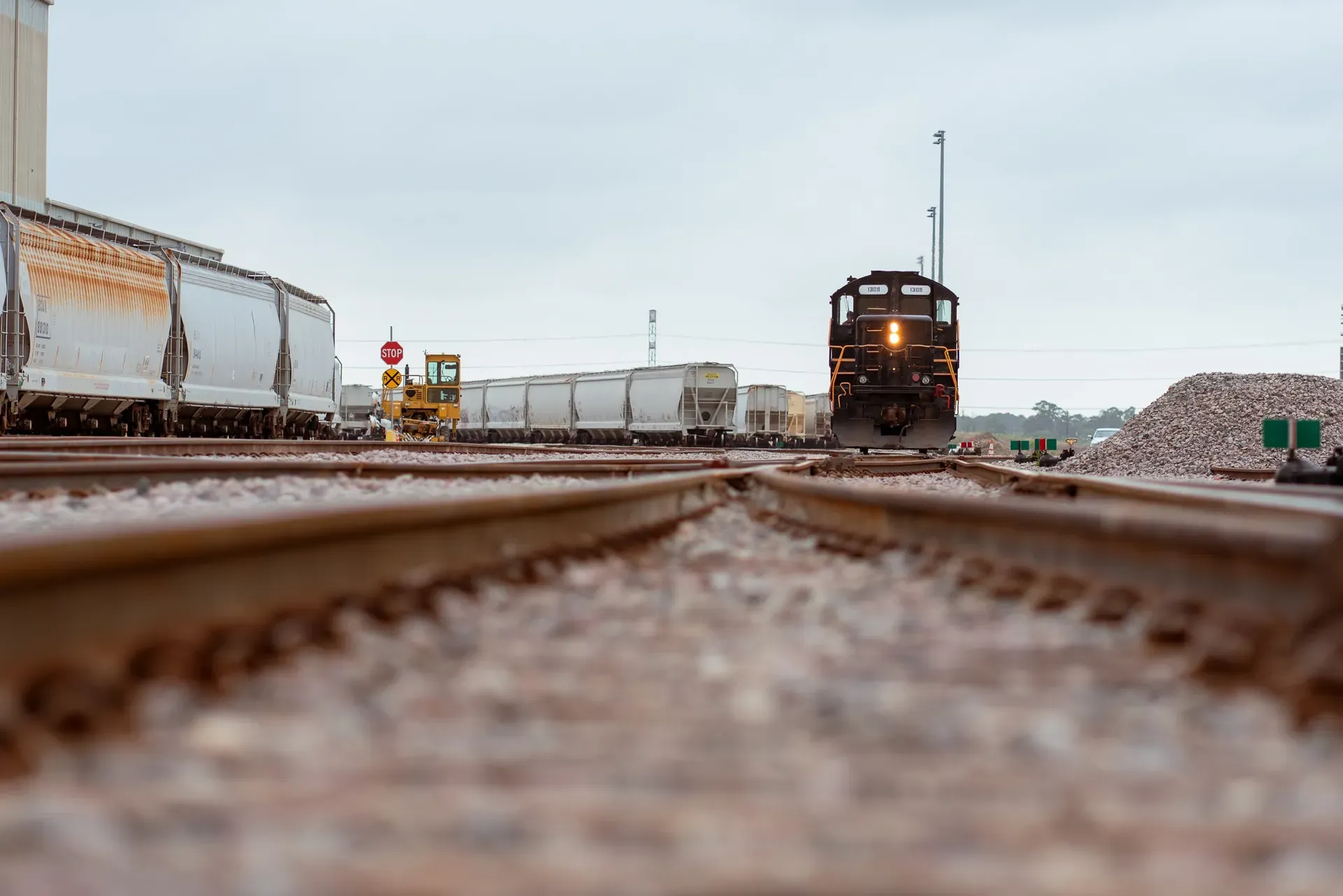
Standing in the yard is the only reason this worked. Operators wear gloves they are not going to take off to use a phone. In direct daylight, outdoors, most screens are unreadable at the contrast levels ordinary software ships with. Connectivity across a yard full of steel comes and goes, so anything that needs the network in order to function is going to fail at the worst possible moment. And the equipment already out there had status to report, if something was built to listen to it.
Those constraints did more to shape the design than any workshop would have. They are also the reason I am suspicious of industrial software designed entirely from an office: none of them show up in a requirements document, and all of them decide whether the thing gets used.
Two apps
Two apps, because there are two jobs. Outside, you are dealing with the railcar in front of you. Inside, you are deciding what happens to all of them over the rest of the shift. A single interface trying to serve both would have been worse at each.
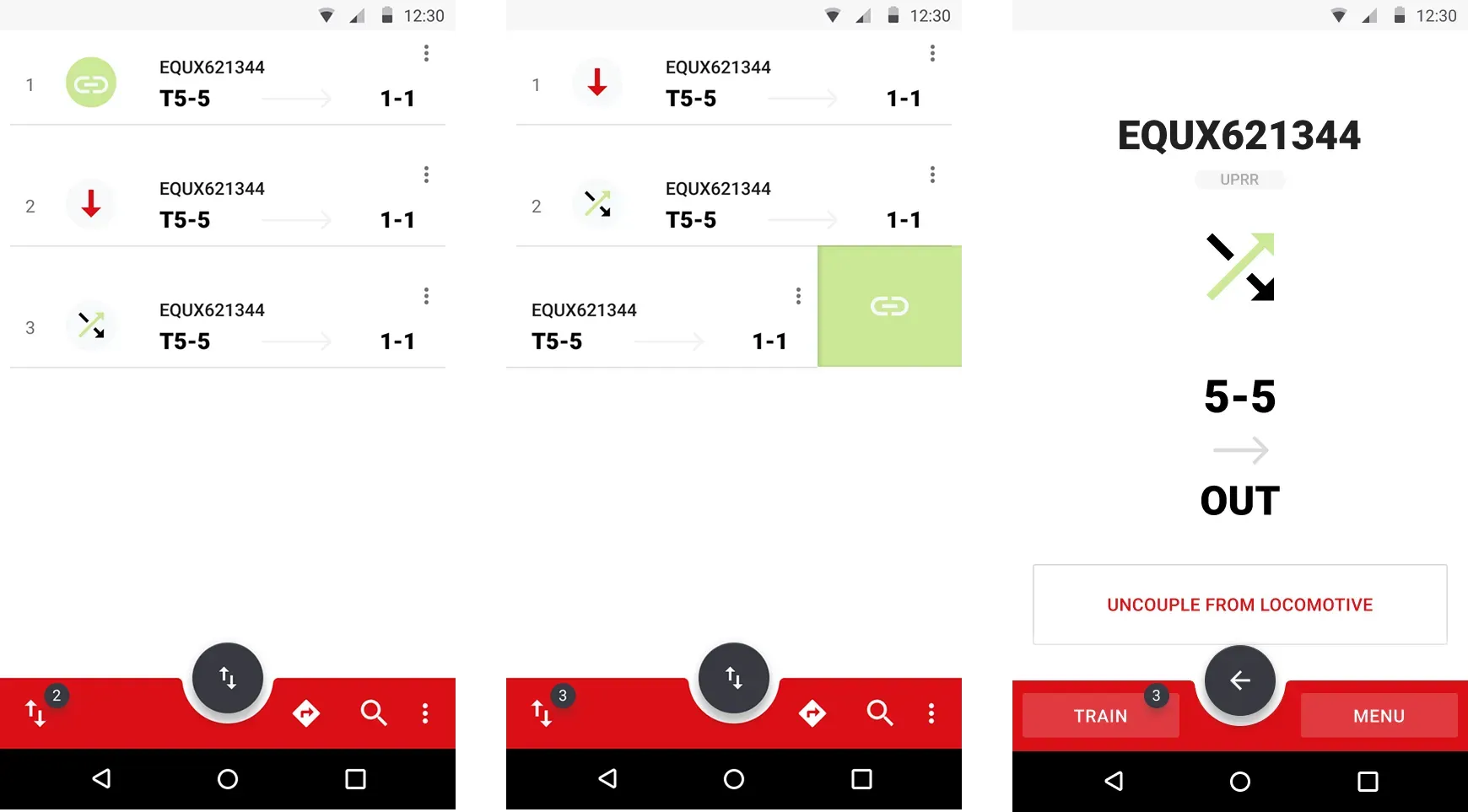
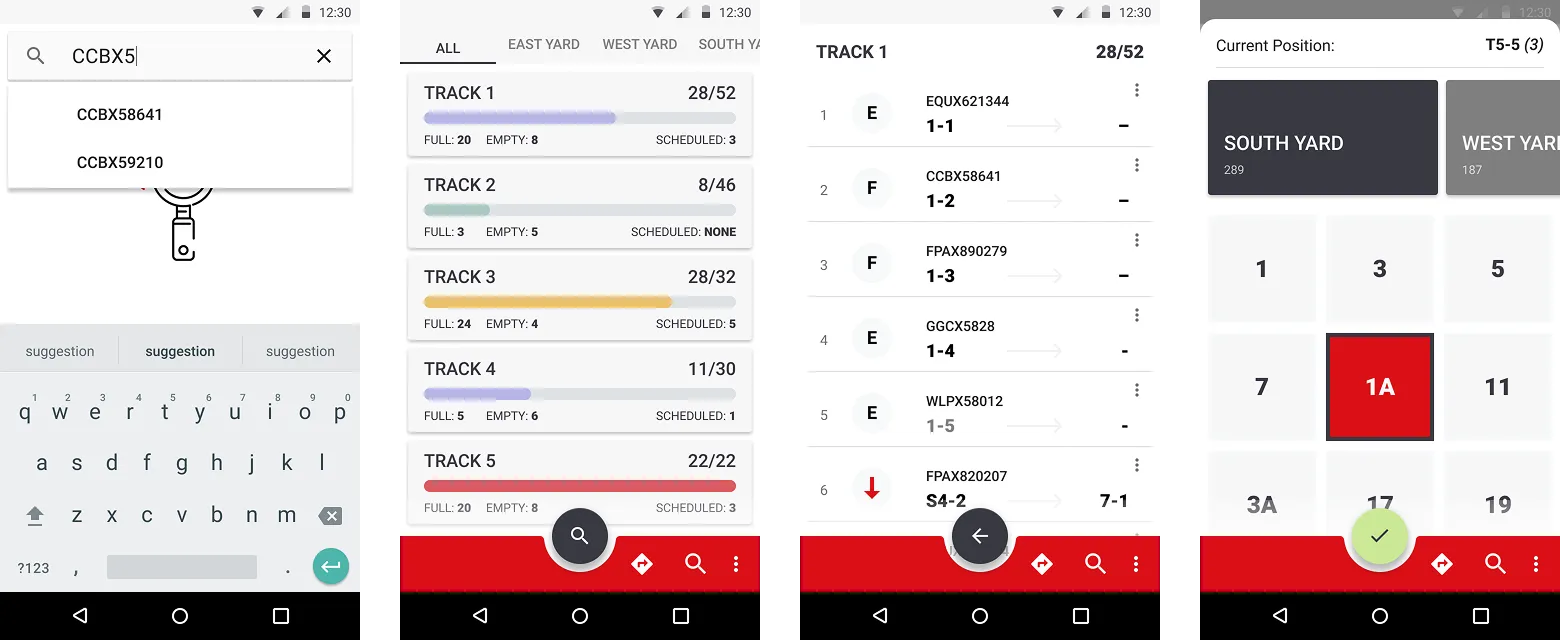
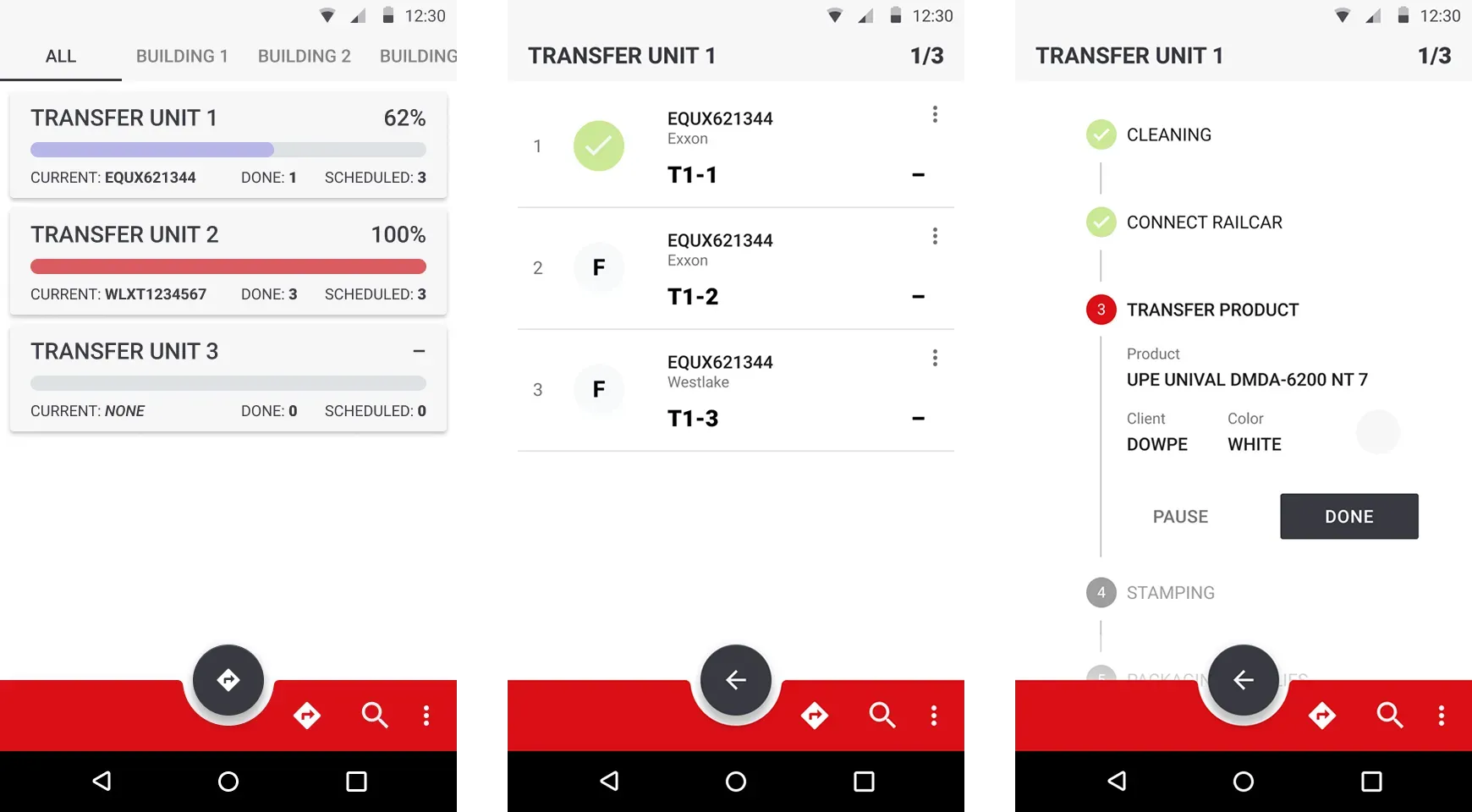
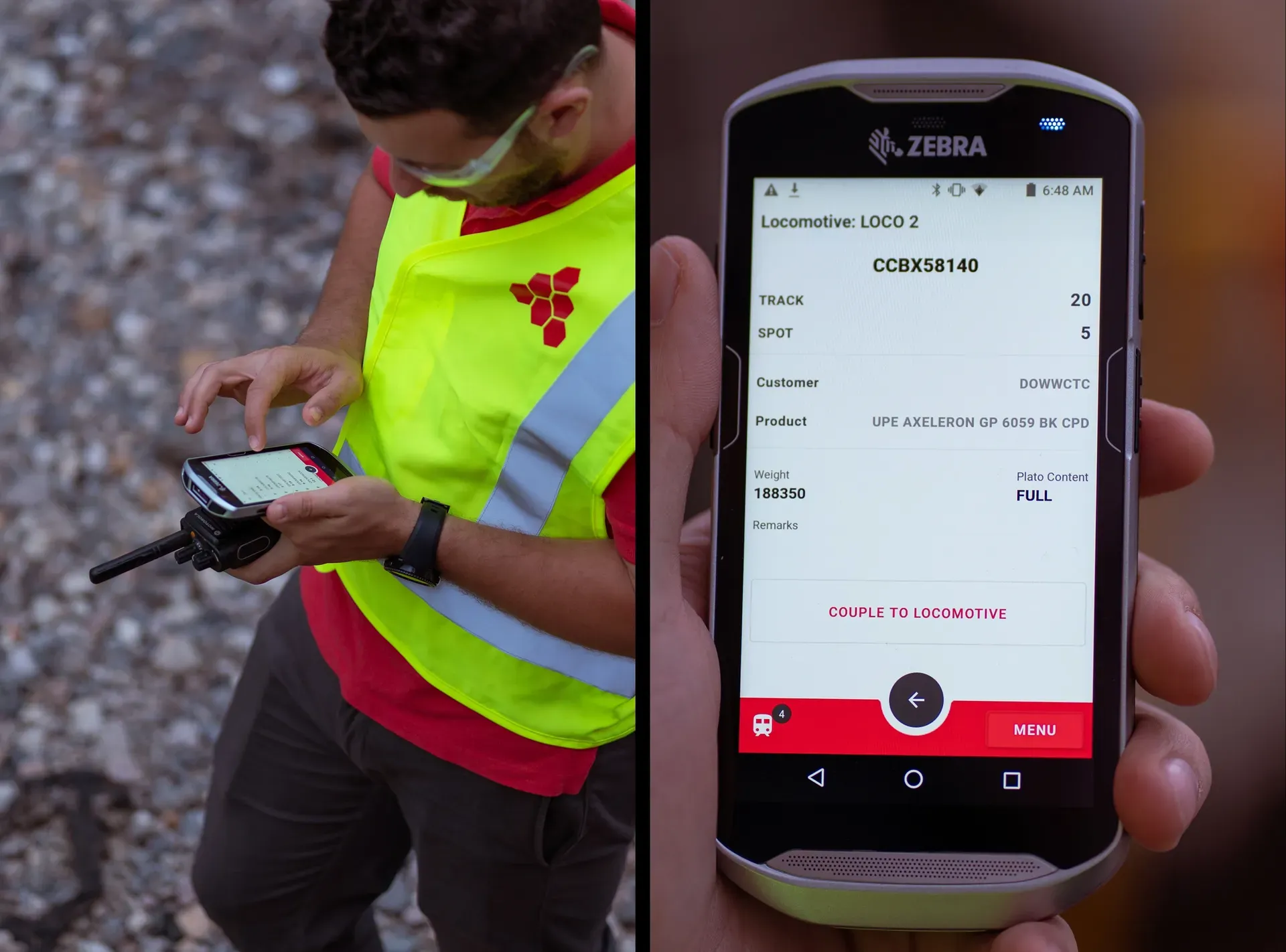
The mobile app is designed down rather than up. Big targets for gloved hands, high contrast so it survives daylight, and short paths, because nobody is going to navigate a hierarchy while standing next to a tank of petrochemical waste.
Where the task is
Safety checklists live in the flow at the point the task happens rather than in a separate module, since a checklist you have to go somewhere else to find is a checklist that gets done afterwards from memory.
It works offline as the default assumption, not as a degraded mode. Everything an operator needs is on the device, actions are recorded locally, and sync happens when the yard gives them a signal back. The alternative is an app that stops working in the exact places it is most needed.
The plan, alive
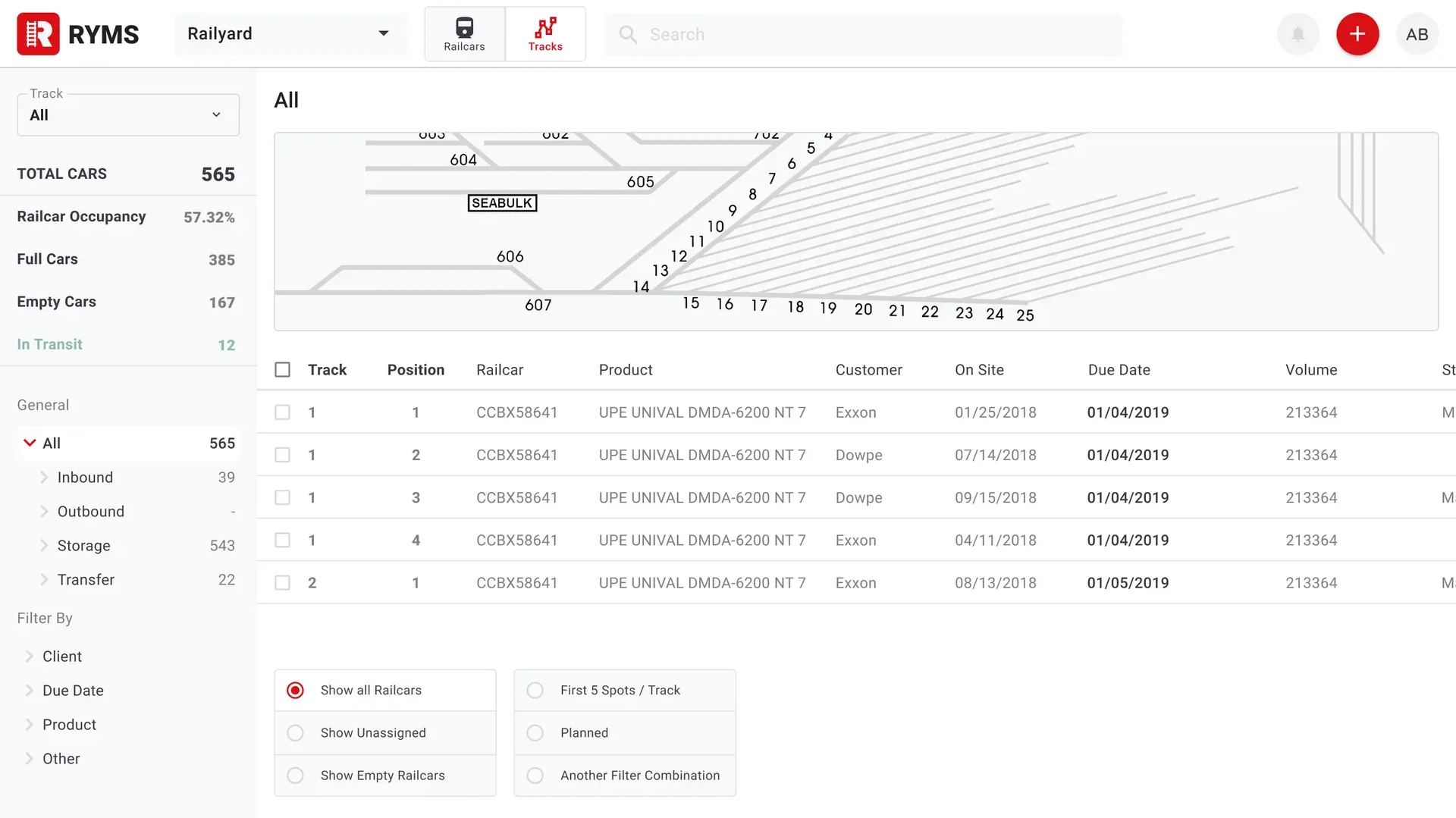
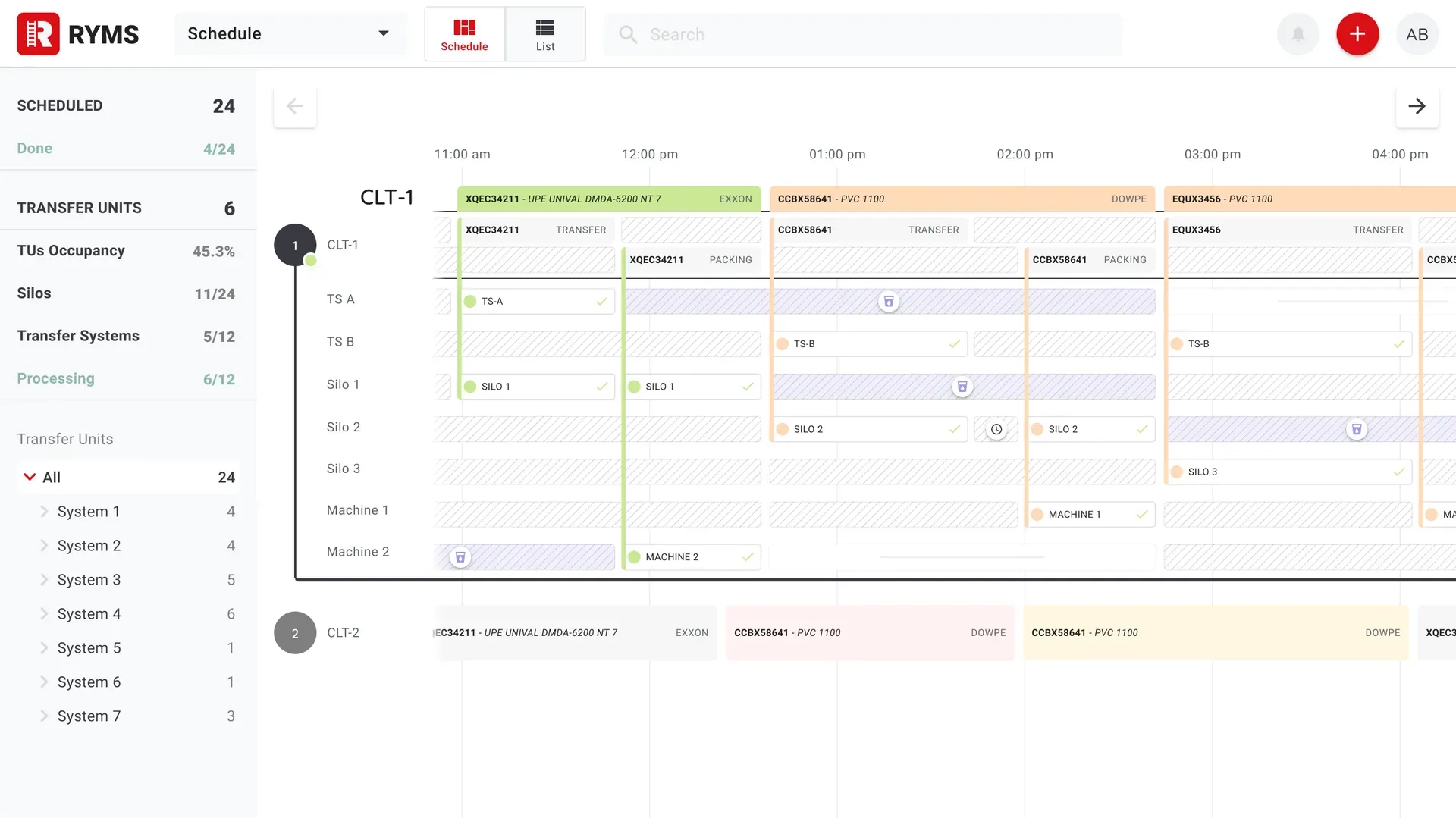
The desktop side is the printed plan, alive. A timeline of what is assigned to which track and which machine, a yard view of where every railcar physically is, and the ability to move something and have the yard know about it immediately rather than at the next shift handover.
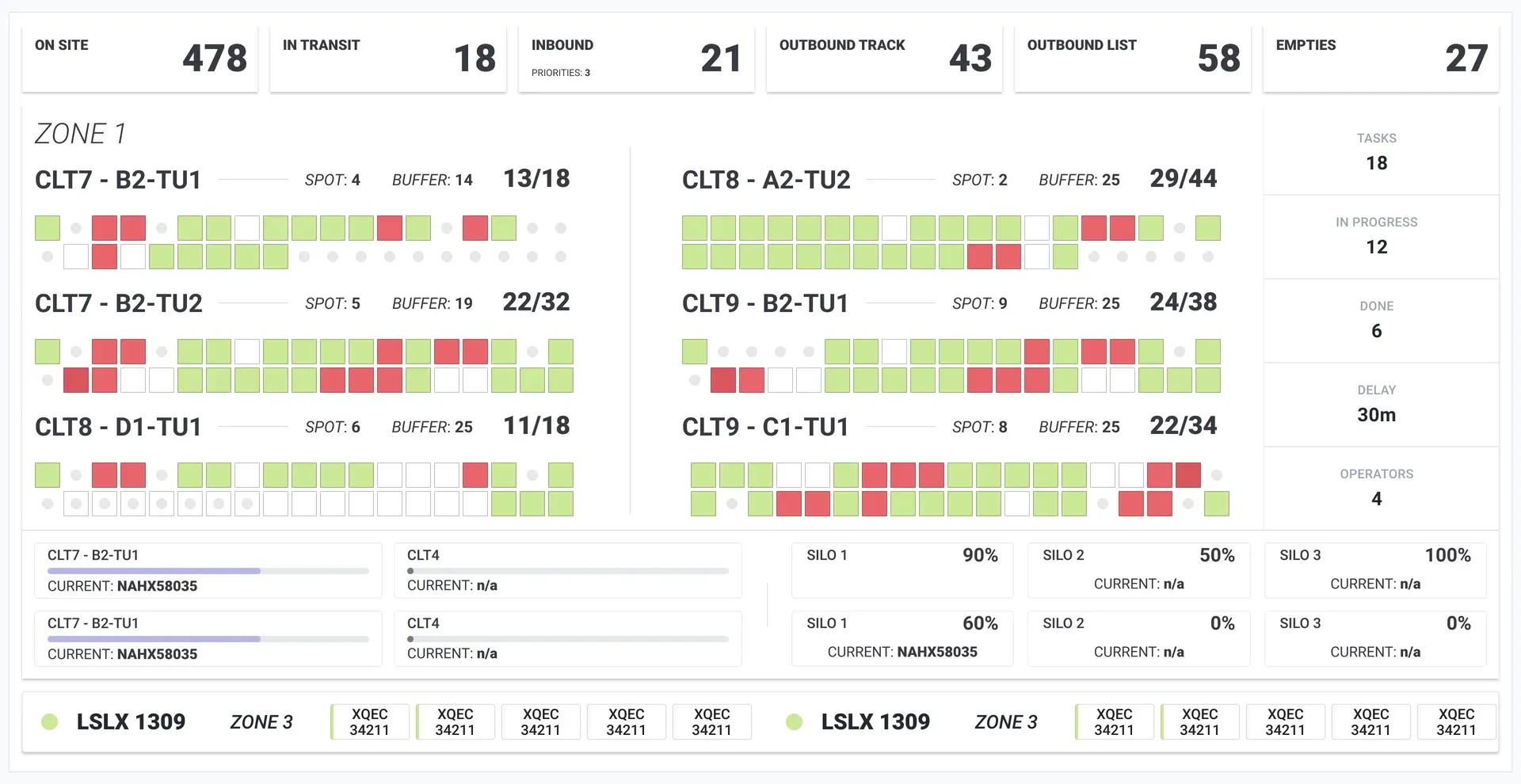
The screens that used to be printed out at the start of a shift became the thing everyone was looking at during it, including on displays mounted in the warehouses and silos so the plan is visible where the work is.
In the weather
There was no usability lab for this. Testing meant a pilot with a few operators under controlled conditions, then a gradual rollout across shifts, because a yard running around the clock is several different operating environments and the night shift is not the day shift with the lights off.
Most of what came back was about robustness rather than usability in the normal sense. What happens when the sync fails halfway. What the screen does when someone walks from a dark warehouse into full sun. Whether a number on the desktop can be trusted when the device that reported it has been offline for an hour.
Industrial software is mostly a set of answers to questions like those, and you cannot invent the questions from a desk. The operators were the best source of correction I had, and the least likely to volunteer anything unless asked directly. Almost every meaningful change to the mobile app came from someone mentioning, in passing, something they had already worked around three times without thinking to report it.
What changed
The paper went away. The yard's state stopped living on printouts and in people's heads and started living somewhere both crews could see it. The shift handover became reading a screen instead of reconstructing a day from a sheet and a conversation, and the compliance record became a byproduct of doing the work rather than an exercise in remembering it afterwards.
I do not have verified numbers for the improvement and I am not going to put an unsourced percentage on this page. What I can say is what shipped and stayed: a mobile app the operators use outside in the weather, a scheduling and yard system the managers run the day from, and displays through the warehouses showing the same plan to everyone at once.