VdlC
A sentence never starts alone
A magazine from Quito.
Juan M. Cornejo
VdlC
A notebook
This notebook covers one part of VdlC (Víctimas de la Cultura), a magazine from Quito that is not out yet. The part is a typography rule written as code, so that a sentence never starts alone at the end of a line.
- Notes2
- A column, sketched3
- A sentence never starts alone4
- The rule, four times5
- Try it6
- The rule, on the page7
- The rule, in a headline8
- Bound and free9
- In short10
1VdlC
Notes
- When a line ends on the first word of a new sentence, that word is alone after the full stop.
- So the first words of a sentence are joined with non-breaking spaces: spaces where a line may not break.
- The display rule joins the first three words of a sentence, or two if the three run past 36 characters. It also joins the last two words of the text.
- Join too many words and the line has no place to break at the period. On a phone the text then overflows.
- Body text gets a lighter rule: a first word of three letters or fewer is joined to the next word, and the last two words of each paragraph or list item are joined.
- The browser still does the breaking. The rule only says where it may not.
- The magazine is in Spanish. The two plates show the magazine’s own copy; every other text in this notebook is invented.
2Notes
A column, sketched
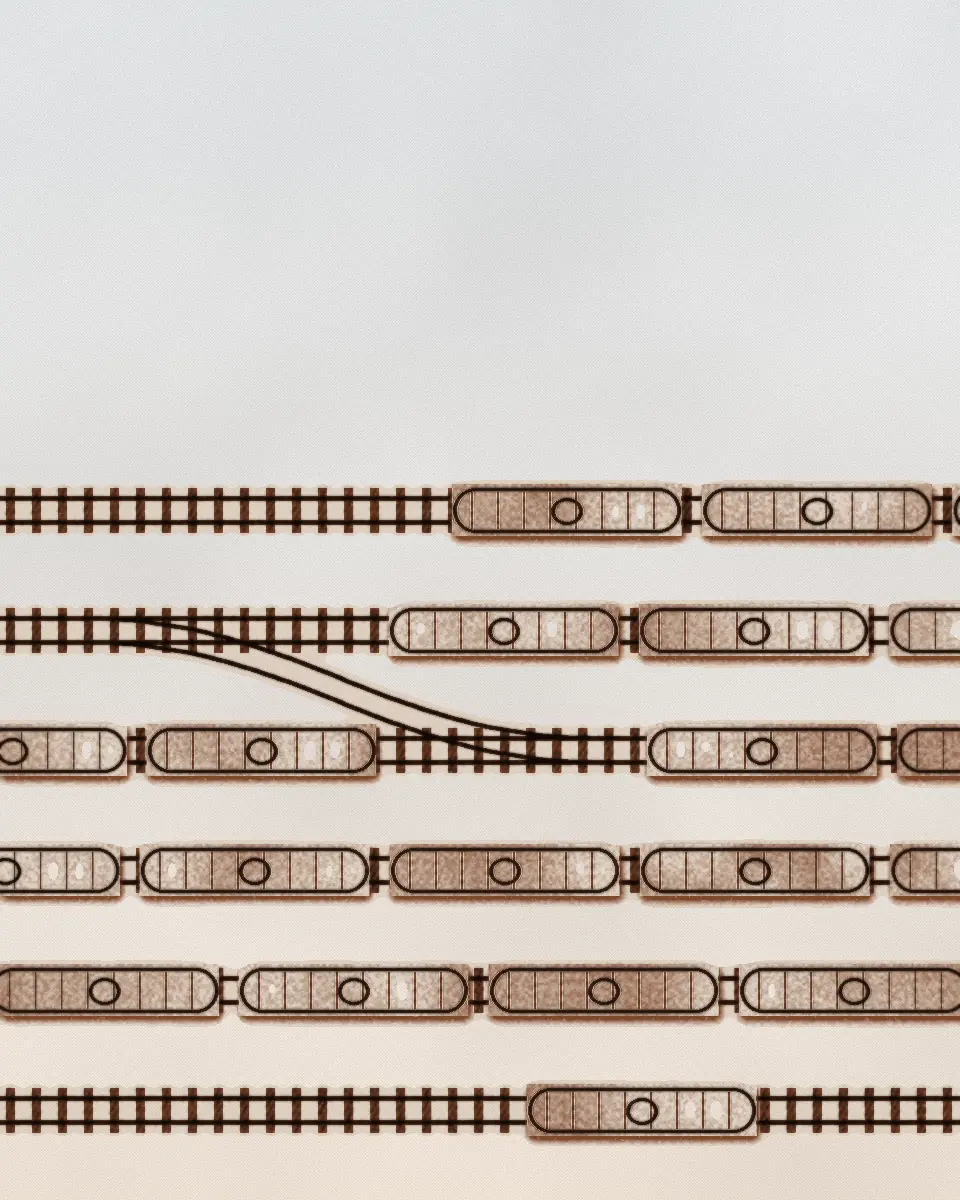
Figure 1. A column of text, sketched in code. The first word of a sentence is alone at the end of a line.
3VdlC
Chapter 1
A sentence never starts alone
In VdlC’s display copy (headings and interface text), the first words after a stop are joined by non-breaking spaces, which a browser will not break a line at. A new sentence never leaves its first word stranded at the end of a line.
The rule went through four versions in two days. Too little binding left the break open, too much left the line no place to break, and an audit at phone widths found overflow, so the runs were capped. What is left is 30 lines of code, and every display string passes through it.
The next page shows the rule’s four versions and what the current rules do to two texts. The page after it runs the rule at any width.
4A sentence never starts alone
The rule, four times
| Version | The rule | What went wrong |
|---|---|---|
| 1, 5 October | The first word of a sentence was tied to the word before the stop, not to the word after it. | The line could still break after that word, which then stood alone after the full stop: the case the rule forbids. |
| 2, 5 October 23:39 | More words after the stop were tied together. | Runs of up to five words across two sentences, so the line could not break at the period. An audit found lines overflowing at 375 and 320 px, and holes in body paragraphs. |
| 3, 5 October 23:54 | Runs capped at about 20 characters. In body text, only a first word of three letters or fewer. | Two-word hangs (QA, 6 October). |
| 4, 6 October 01:07 | The cap raised from about 20 to 36 characters. | In use now. |
display Ensayo, relato, poesía. Y⍽lo⍽que no cabe en ninguna. Una⍽revista⍽de Quito, sin⍽prisa.
body La ciudad amanece con niebla. En⍽la esquina, un hombre vende los periódicos de ayer. Yo⍽compro uno. No⍽sé por qué lo hago, pero lo hago cada mañana, y ya es tarde para preguntar. A⍽veces el titular sigue siendo⍽cierto.
Table 1. The rule’s four versions, from the record of 5 and 6 October 2026, then the two current rules run on two invented texts. The examples ran through the same rules, ported to this page. A ⍽ marks a space that will not break.
5VdlC
Try it
rule
width
Figure 2. An invented text set in a column from 320 to 1440 px wide, with no rule, the display rule or the body rule (ported from the magazine). The browser breaks the lines. A stranded start is a line whose last one or two words begin a new sentence.
6Try it
The rule, on the page
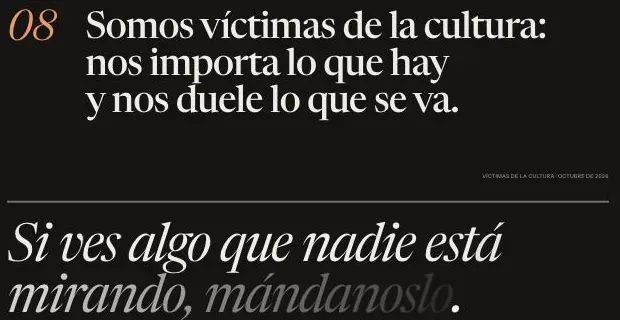
- 1The line ends at the colon
- 2The text ends on two words, never one
- 3The break falls inside the sentence
- 4The last line holds the final pair
Plate 1. The end of the manifesto at desktop width, in the dark theme. No line ends on the first word of a sentence, and the text does not end on one word.
7VdlC
The rule, in a headline
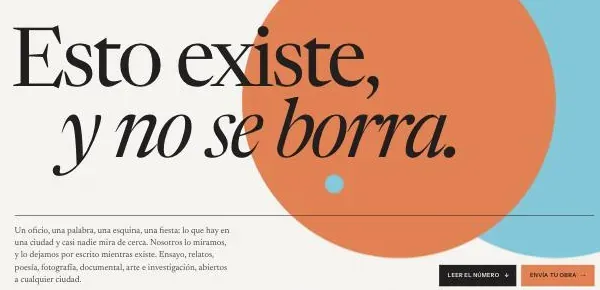
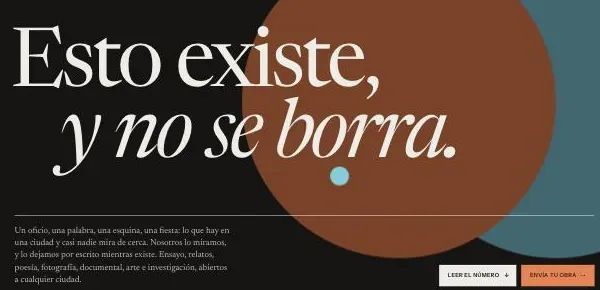
- 1The first line ends at the comma, split by hand
- 2The last two words stay together
- 3A new sentence starts mid-line, with its next word
- 4The lede ends on three words
Plate 2. The home page headline and its lede, in light and dark, captured on 5 October at 23:13, before the rule was code. The headline’s break was placed by hand; the lede ends on three words.
8The rule, in a headline
Bound and free
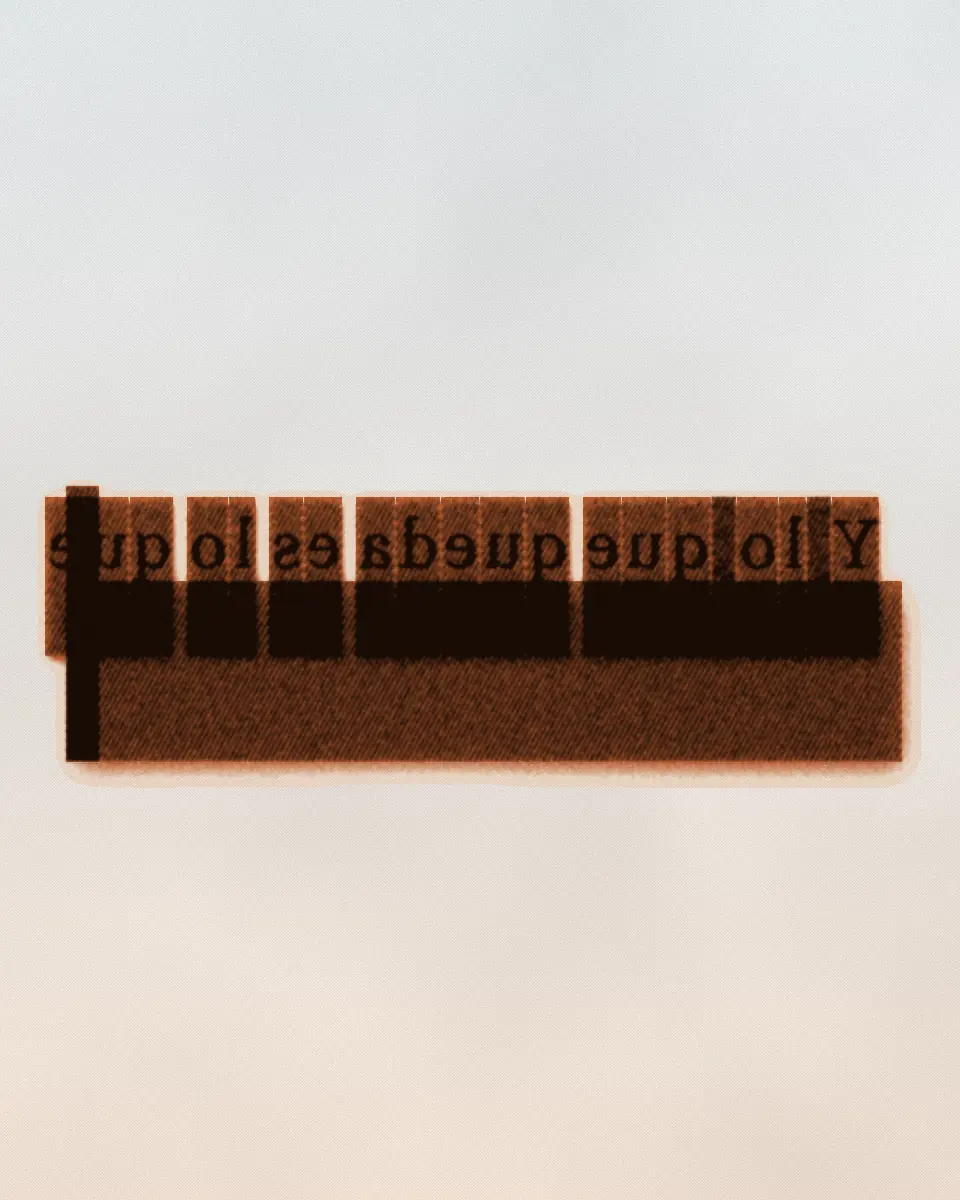
Figure 3. One sentence set twice in the same column. Unbound, “Y” stays at the end of the line, after the full stop. Bound, “Y lo que” moves to the next line as one run.
- 1Unbound, the line breaks after the first word of the sentence.
- 2Bound, the first words travel to the next line as one run.
9VdlC
In short
The rule joins the first words of each sentence and the last two words of a text. A cap on the length of each joined run keeps it from overflowing on a phone.
The rule comes from my own notes on typography, and this site follows it too. In the magazine it is code: 30 lines, with a file of tests.
in the lab Placas, the magazine’s plates
10In short